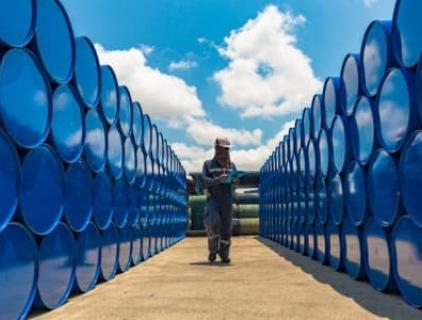
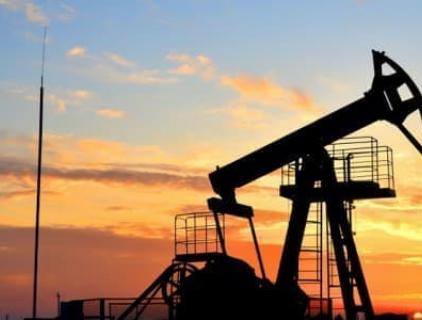
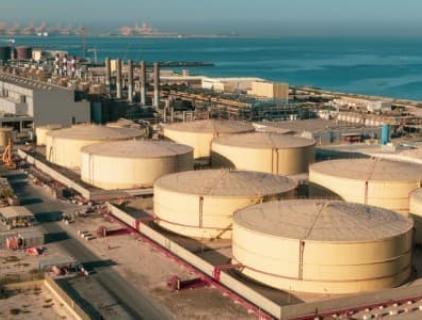
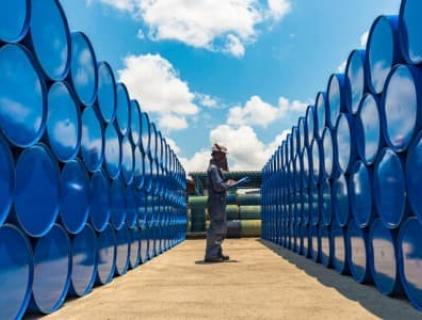
Big Oil’s exodus from Russia is due in part to the workers on the ground refusing to welcome Russian supplies.
In the U.K., dock workers have taken a stand by refusing to unload Russian oil and gas.
Unions and workers in Australia, Canada and the U.S. have also joined the efforts to halt the delivery of Russian oil and gas cargoes.
2022/03/10 09:03
Venezuela -the largest oil reserves in the world was driven by a breakdown in the rule of law and the disintegration of government institutions.
2022/02/25 18:27
Global spending on clean energy climbed 27 percent in 2021, hitting a record high of $755 billion according to a Bloomberg New Energy report.
Oil and gas companies are playing an increasingly important role in this sector, with upstream oil and gas producers completing 81 clean energy deals in 2021.
A larger variety of clean energy sectors are receiving attention from oil and gas majors, with a renewed focus on hydrogen, electric vehicle charging, and biofuel projects.
2022/02/19 16:16
The fallout from the pandemic and civil unrest across Colombia has left its oil industry in a state of crisis.
Colombia’s dire hydrocarbons shortage is weighing heavily on the Andean nation’s petroleum-dependent economy.
Nevertheless, despite those hazards and the risks they pose to Colombia, there are signs that the outlook for the country’s petroleum industry is improving.
2022/02/11 19:23
The Supreme Court Case That Could Transform Energy Markets as below:
2021/12/21 17:35
India is going all-in on renewable energy, with big plans to scale up its solar sector.

As a part of the move, India is looking to cut ties with China as it prioritizes its domestic solar industry.
2021/12/21 17:31
It appears that oil market oversupply may already be upon us, with demand being hit hard by Omicron and by China cracking down on its independent refiners.
2021/12/21 17:28
Oil and gas companies have well and truly recovered from what was a crisis year in 2020, with some companies now posting record cash flow.
2021/12/17 17:44
Prior to the pandemic, the utilization rate of U.S. oil pipelines stood at 60 to 70 percent.Half Of U.S. Oil Pipelines Sit Empty NOW.
2021/12/17 17:40
Extreme weather events resulting from the changing climate are threatening some 40 percent of the world’s recoverable oil and gas reserves, risk consultancy Verisk Maplecroft has said in a new report.
2021/12/17 17:36
Driven by high refinery throughput, China likely drew crude oil from its commercial and strategic inventories in November, according to estimates from Reuters columnist Clyde Russell.
2021/12/17 17:33
OPEC, the IEA, and the EIA all have different opinions on where oil demand may be heading in the immediate future.
The three groups do have one commonality in their forecasts, however; COVID-19 will remain a driving force.
Despite the differences in exact expectations, the three organizations remain generally optimistic about oil demand.
2021/12/17 13:20
Big Oil’s exodus from Russia is due in part to the workers on the ground refusing to welcome Russian supplies.
In the U.K., dock workers have taken a stand by refusing to unload Russian oil and gas.
Unions and workers in Australia, Canada and the U.S. have also joined the efforts to halt the delivery of Russian oil and gas cargoes.
Venezuela -the largest oil reserves in the world was driven by a breakdown in the rule of law and the disintegration of government institutions.
Global spending on clean energy climbed 27 percent in 2021, hitting a record high of $755 billion according to a Bloomberg New Energy report.
Oil and gas companies are playing an increasingly important role in this sector, with upstream oil and gas producers completing 81 clean energy deals in 2021.
A larger variety of clean energy sectors are receiving attention from oil and gas majors, with a renewed focus on hydrogen, electric vehicle charging, and biofuel projects.
The fallout from the pandemic and civil unrest across Colombia has left its oil industry in a state of crisis.
Colombia’s dire hydrocarbons shortage is weighing heavily on the Andean nation’s petroleum-dependent economy.
Nevertheless, despite those hazards and the risks they pose to Colombia, there are signs that the outlook for the country’s petroleum industry is improving.
The Supreme Court Case That Could Transform Energy Markets as below:
India is going all-in on renewable energy, with big plans to scale up its solar sector.

As a part of the move, India is looking to cut ties with China as it prioritizes its domestic solar industry.
It appears that oil market oversupply may already be upon us, with demand being hit hard by Omicron and by China cracking down on its independent refiners.
Oil and gas companies have well and truly recovered from what was a crisis year in 2020, with some companies now posting record cash flow.
Prior to the pandemic, the utilization rate of U.S. oil pipelines stood at 60 to 70 percent.Half Of U.S. Oil Pipelines Sit Empty NOW.
Extreme weather events resulting from the changing climate are threatening some 40 percent of the world’s recoverable oil and gas reserves, risk consultancy Verisk Maplecroft has said in a new report.
Driven by high refinery throughput, China likely drew crude oil from its commercial and strategic inventories in November, according to estimates from Reuters columnist Clyde Russell.
OPEC, the IEA, and the EIA all have different opinions on where oil demand may be heading in the immediate future.
The three groups do have one commonality in their forecasts, however; COVID-19 will remain a driving force.
Despite the differences in exact expectations, the three organizations remain generally optimistic about oil demand.

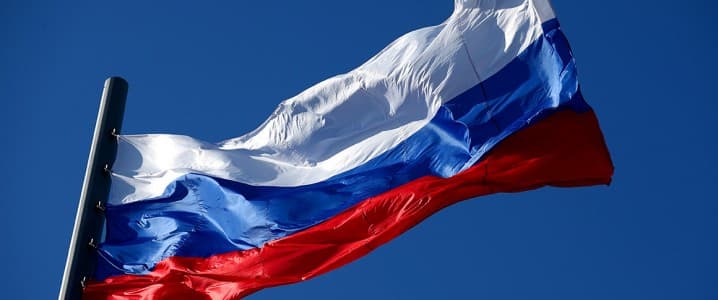
Russia Has Oil Reserves At Least Until 2080
2021/05/15 16:13
Russia’s oil reserves will last until 2080 at the current pace of annual production, Natural Resources Minister Alexander Kozlov told Russian outlet RBC in an interview this week.

Russia’s oil reserves will last until 2080 at the current pace of annual production, Natural Resources Minister Alexander Kozlov told Russian outlet RBC in an interview this week.

Russia also has natural gas reserves for another 103 years of annual production at current output levels, the minister said.

Russia’s actual oil and gas reserves could even rise if it steps up exploration in hard-to-drill areas, the minister added, noting that Russia needs to develop exploration, including in hard-to-reach areas.

Last month, Evgeny Kiselev, the head of the Russian Federal Agency for Mineral Resources, told state outlet Rossiyskaya Gazeta  that Russia has 58 years worth of oil reserves, of which 19 years to profitably pump those reserves at current levels with current technology. Advances in technology, however, will constantly push back the deadline.

Asked how long Russia would have oil reserves, Kiselev said “indefinitely.”

Oil and gas export revenues are key to Russia’s budget income. Oil price collapses like last year’s lead to belt-tightening policies despite Moscow’s insistence that it can live with $30 oil.

Russia’s production fell last year and is set for slight growth this year and next, according to government data and estimates.

After setting a post-Soviet high in oil and condensate production in 2019, Russia saw its output drop by 8.6 percent in 2020 due to the lower global demand and low oil prices, as well as the OPEC+ production cuts. Russia’s crude oil and condensate production fell in 2020 for the first time since the 2008 financial crisis and then slump in oil prices, according to government statistics.  

Last month, Russia cut its estimates for domestic crude oil, gas, and coal production for 2021 and 2022, but kept the estimates for the oil production for 2023 and 2024 unchanged. As per the latest forecasts from the Russian government, oil production this year is set to stand at 517 million tons, down from a previous estimate of 560 million tons. The projection for Russia’s oil output in 2022 was also reduced, to 548 million tons, down from earlier estimates of production of 558 million tons.