As the Delta variant became more prominent in July, initially in India and the U.K. and then gradually across the rest of the globe, many countries were forced back into lockdown or experienced other restrictions to work and movement. This led several experts to speculate that oil and gas demand would inevitably be driven down once again in the face of global restrictions limiting travel and industry. However, as the U.K. reduced all restrictions in mid-July, and several other countries continue to ease lockdowns, this anticipated dip in demand did not hit the industry as hard as expected.
2021/08/06 09:59
The Real Reason Big Oil Is Betting On The Hydrogen Boom
2021/08/04 11:36
US tight oil operators have for several months been depleting their inventory of drilled but uncompleted wells (DUCs) and, amid a slower drilling response, the number of ‘live’ DUCs in the country’s major oil regions slumped to 2,381 wells in June 2021, the lowest level since 2013, a Rystad Energy analysis reveals.
2021/08/04 11:25
Much was made about the impact of Biden's infrastructure bill on the U.S. oil and gas industry, but details suggest there is nothing to worry about.
2021/08/04 11:22
Nigeria’s oil industry has been confronted with a plethora of challenges – endless litigation, social unrest, majors regularly mulling a country exit, and all this against the background of a genuine societal demand to make oil revenues more equitable, more accessible and transparent.
2021/08/04 11:19
Mergers and acquisitions are how an industry normally handles tough times. Asset prices drop, some companies can no longer survive on their own and become targets for those with the means to grow through takeovers.
2021/08/04 11:16
WTI Falls Below $70 On Global Rise In COVID Cases
2021/08/04 11:11
Crude oil markets have been jittery lately as additional OPEC+ output counters expectations of continued strong demand and coincides with concerns about the resurgence of Covid-19 in key markets. Yet some believe oil could still hit $80 a barrel.
2021/08/04 09:24
Oil prices fell early on Monday to start August with losses after posting a fourth consecutive month of gains in July. (2021)
2021/08/03 15:02
Oil prices started August in the red, and kept falling into the afternoon, with both benchmarks trading down more than 3% near Monday’s close.
2021/08/03 14:57
The U.S. Retains Its Crown As World’s Top Oil Producer,and the United States remains the world’s top oil consumer, averaging 17.2 million BPD in 2020. China was second at 14.2 million BPD, and was the only country in the Top 10 to report an increase in oil consumption in 2020.
2021/08/03 14:52
New Mexico broke an oil production record in May, pumping an average 1.22 million barrels daily as the Permian Basin returned to output growth again.
2021/08/03 14:49
As the Delta variant became more prominent in July, initially in India and the U.K. and then gradually across the rest of the globe, many countries were forced back into lockdown or experienced other restrictions to work and movement. This led several experts to speculate that oil and gas demand would inevitably be driven down once again in the face of global restrictions limiting travel and industry. However, as the U.K. reduced all restrictions in mid-July, and several other countries continue to ease lockdowns, this anticipated dip in demand did not hit the industry as hard as expected.
The Real Reason Big Oil Is Betting On The Hydrogen Boom
US tight oil operators have for several months been depleting their inventory of drilled but uncompleted wells (DUCs) and, amid a slower drilling response, the number of ‘live’ DUCs in the country’s major oil regions slumped to 2,381 wells in June 2021, the lowest level since 2013, a Rystad Energy analysis reveals.
Much was made about the impact of Biden's infrastructure bill on the U.S. oil and gas industry, but details suggest there is nothing to worry about.
Nigeria’s oil industry has been confronted with a plethora of challenges – endless litigation, social unrest, majors regularly mulling a country exit, and all this against the background of a genuine societal demand to make oil revenues more equitable, more accessible and transparent.
Mergers and acquisitions are how an industry normally handles tough times. Asset prices drop, some companies can no longer survive on their own and become targets for those with the means to grow through takeovers.
WTI Falls Below $70 On Global Rise In COVID Cases
Crude oil markets have been jittery lately as additional OPEC+ output counters expectations of continued strong demand and coincides with concerns about the resurgence of Covid-19 in key markets. Yet some believe oil could still hit $80 a barrel.
Oil prices fell early on Monday to start August with losses after posting a fourth consecutive month of gains in July. (2021)
Oil prices started August in the red, and kept falling into the afternoon, with both benchmarks trading down more than 3% near Monday’s close.
The U.S. Retains Its Crown As World’s Top Oil Producer,and the United States remains the world’s top oil consumer, averaging 17.2 million BPD in 2020. China was second at 14.2 million BPD, and was the only country in the Top 10 to report an increase in oil consumption in 2020.
New Mexico broke an oil production record in May, pumping an average 1.22 million barrels daily as the Permian Basin returned to output growth again.

Oil And Gas Companies Set For Record Free Cash Flow This Summer
2021/06/25 15:28
Oil And Gas Companies Set For Record Free Cash Flow This Summer

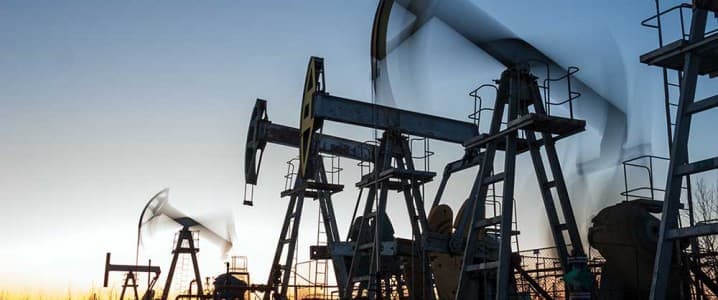
With oil trading above $70 per barrel while investment activity remains low, the world’s publicly traded exploration and production (E&P) companies are set to generate record-breaking free cash flows (FCF) in 2021, a Rystad Energy report projects. Their combined FCF is expected to surge to $348 billion this year, with the previous high being $311 billion back in 2008.

Rystad Energy estimates that total gross revenue for all public upstream companies is expected to increase by almost $500 billion in 2021, or 55% compared to last year (excluding hedging effects). At the same time, the investment level of these companies is only expected to grow by around 2% in 2021, resulting in significantly higher profits.

A key reason for the all-time-high FCF is the turnaround in the US tight oil industry. Historically, this industry has struggled to generate positive returns, but this could change in 2021. We estimate that all public tight oil companies will to make close to $60 billion in FCF this year, before hedging effects.

The conventional onshore supply segment is in line to earn the highest level of FCF this year at close to $160 billion – but is still behind the record touched in 2011. Both deepwater and offshore shelf are recovering this year, each ending up with close to $60 billion in FCF. However, tight oil is expected to surpass both these offshore segments in 2021.

“Oil demand has gradually increased after the initial shock of the Covid-19 pandemic, and OPEC+ continues to hold back volumes from the market. The consequent high price movement has been further supported by a slow ramp-up in US tight oil activity. In conjunction with the persisting low investment environment, E&Ps are enjoying super-profits,” says Espen Erlingsen, head of upstream research at Rystad Energy.

The FCF comeback means more surplus cash for E&P companies and historically there has been a strong link between FCF and activity levels. Merger and acquisition (M&A) activity has recovered in 2021, with transaction values increasing by around 30% compared to 2020. New projects are also making a comeback: The amount of greenfield investment that has been sanctioned as of June has already matched the full year 2020 total, and we expect the full 2021 level to be double that of last year.